The University of Hong Kong

Turn Ambition Into Action.
Engineer the Future of Health.

A 72-credit Master of Biomedical Engineering for Future Health programme preparing future leaders to develop responsible healthcare technologies, intelligent systems and regenerative medicine.

Students attending a seminar in the SBME Faculty of Medicine lecture theatre.

01 Convergence Core · 12 credits

Converge across engineering, science and health.

Build the shared concepts, language and analytical skills needed for advanced interdisciplinary work — taught across HKU's Faculties of Medicine, Dentistry, Science and Engineering.

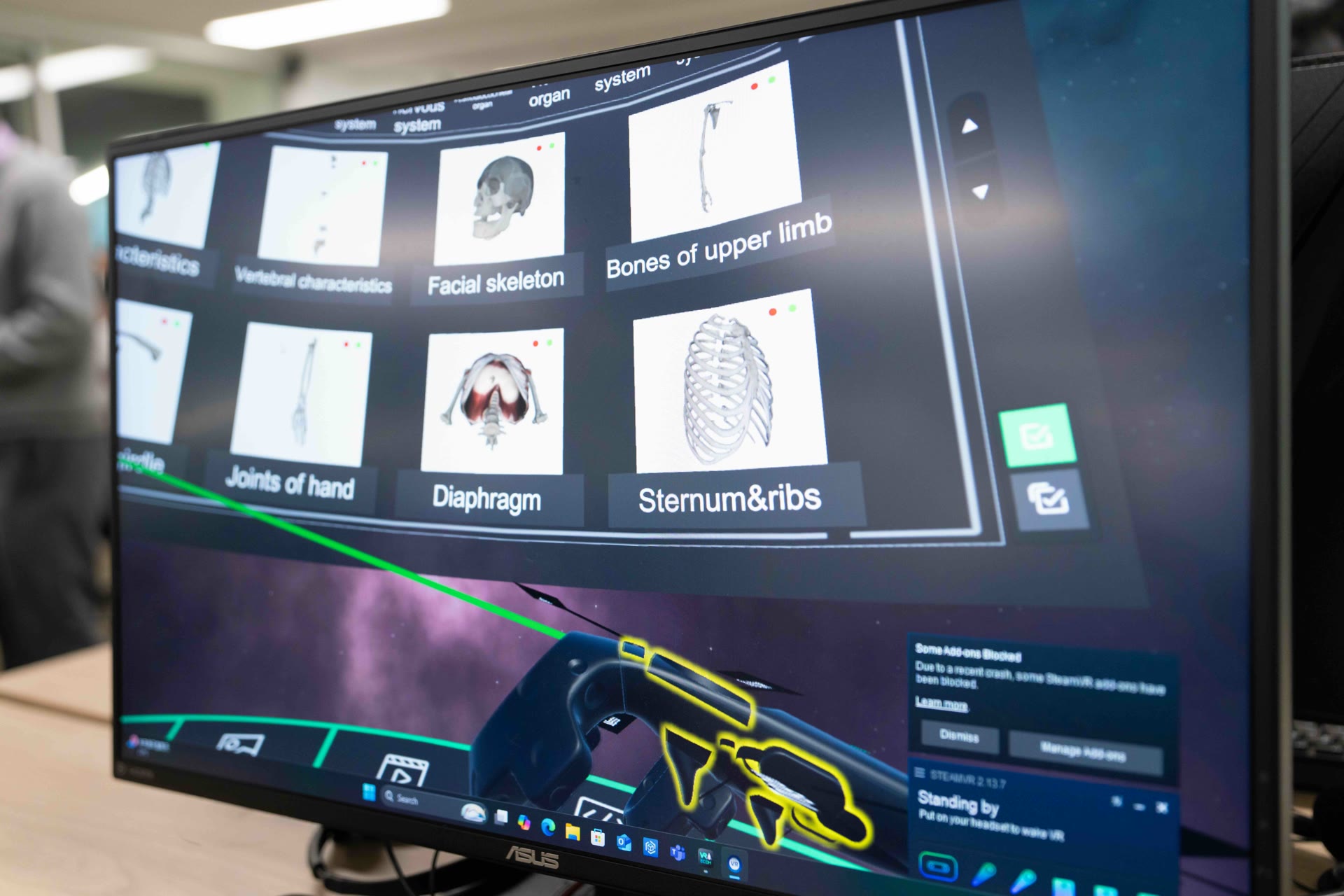
Anatomical visualisation software with VR controllers used in BME specialisation study.

02 Specialisation · 24 / 18 credits

Specialise in Intelligent Systems, Devices, or Biomaterials.

Take advanced study in one of three areas — computation and intelligent systems for health, advanced biomedical devices, or biomaterials and regenerative medicine.

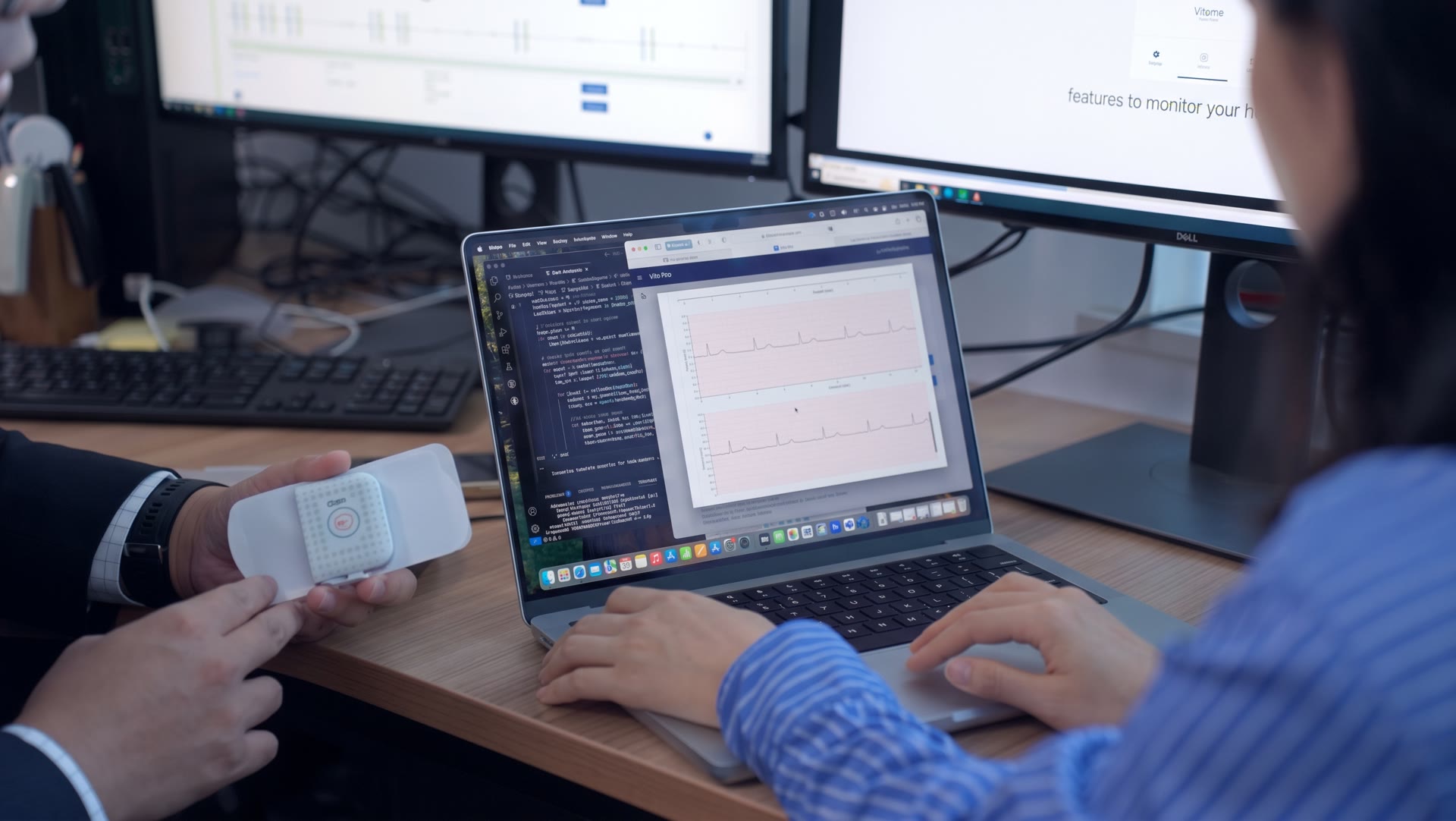
Researcher monitoring ECG signals from a portable device alongside real-time analysis on a laptop.

03 Common Professional Core · 12 credits

Design & Translate. From bench to bedside.

Learn medical device innovation, development, translation, regulatory science, quality and compliance — so that engineering ideas can move into real clinical settings.

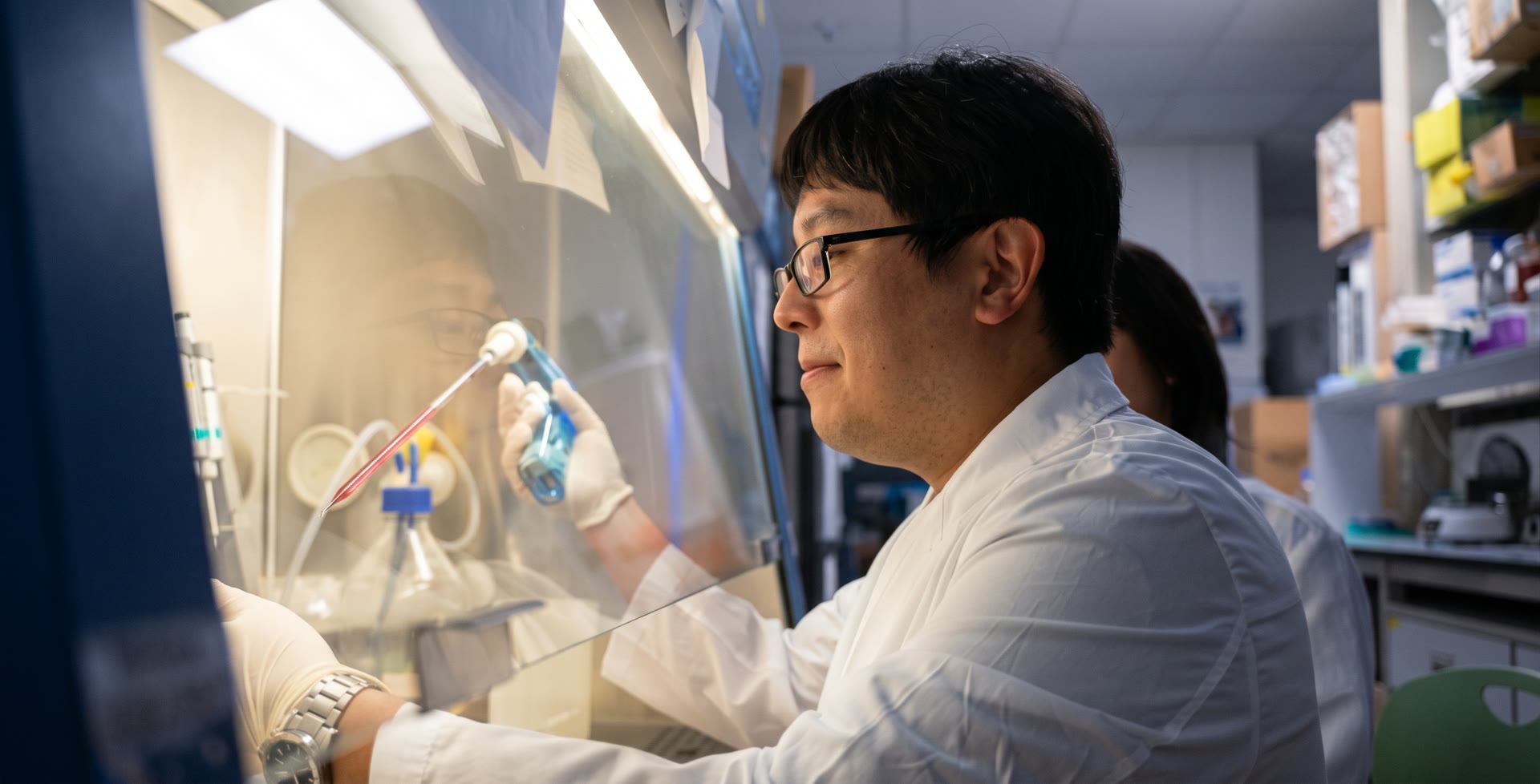
A researcher working inside a tissue-culture hood with biomaterials and instrumentation.

04 Capstone · 12 / 24 credits

Integrate or Investigate. A capstone that delivers.

Complete a substantial capstone: the BME Integration Studio for applied innovation, or a supervised BME Research Project for research-intensive careers and further study.

1 / 5

Programme

A programme built for future health

The Master of Biomedical Engineering for Future Health (BME+) integrates engineering, life sciences, medicine, dentistry, artificial intelligence and data science into one coherent curriculum. Students learn to frame clinical problems, build and evaluate technical solutions, and test them against the realities of regulation, quality and patient care.

Taught across HKU's Faculties of Medicine, Dentistry, Science and Engineering, the programme builds cross-disciplinary judgement, methods and shared language. It empowers students to collaborate confidently across fields and translate biomedical engineering ideas into health-improving technologies.

About the Programme & School

Admissions

Admissions at a glance

1 yearFull-Time study mode
2 yearsPart-Time study mode
72 creditsTotal curriculum requirement
Engineering, Life Science, Clinical-related disciplines and BME graduates are welcome

Application Details

Curriculum

A staged learning journey

The 72 credits are organised into five components, moving from a shared foundation to advanced specialisation and a capstone experience.

01

Converge

Build a shared foundation across quantitative methods, engineering and clinical needs for advanced BME studies.

02

Specialise

Develop advanced depth in one of three pillars.

03

Design & Translate

Learn how biomedical technologies are developed, regulated and translated into real healthcare use.

04

Elective

Broaden or deepen your study beyond the specialisation, according to your interests and career plans.

05

Integrate or Investigate

Apply what you have learned through either a practical Integration Studio or Research Project.

Professional Internship: Required for all Full-Time students. Students will complete the non-credit-bearing MBME7603 Biomedical Engineering Professional Internship. It is assessed on a Pass/Fail basis.

Pathways

Two pathways, tailored outcomes

Choose the capstone that matches your goals: applied innovation and translation, or independent research.

Pathway A

BME Integration Studio

MBME7601 · Full-Time and Part-Time

Applied innovation, product development and technology translation. Students work on real-world biomedical engineering challenges through design, product development, technology translation, innovation or entrepreneurship.

  • Team-based studio with industry & clinical sponsors
  • Prototype, pilot & go-to-market deliverables
  • Venture pitch to a real judging panel

Pathway B

BME Research Project

MBME7602 · Full-Time Only

Independent, supervised research that prepares graduates for research-intensive careers or further study. Supported by technical mentoring, a dissertation and a presentation.

  • Independent research with a faculty supervisor
  • Laboratory or computational investigation
  • Thesis, publication & defence

Compare the pathways in full

Outcomes

From classroom to real-world impact

Interdisciplinary foundation

A shared grounding across engineering, life sciences, data science and clinical needs.

Device innovation & regulatory science

Rigorous training in medical device development, quality management and regulatory compliance.

Practical project or research experience

A substantial capstone — Integration Studio or Research Project — carried through to presentation.

Professional internship

Full-Time students gain workplace experience through a structured professional internship.

Shape the future of healthcare through engineering.

Take the next step towards a 72-credit taught postgraduate programme at HKU's School of Biomedical Engineering.